We translate clinical thermal research into a dynamic night-long ritual that maximizes human potential.
Our AI doesn't just set a temperature; it tracks your biological clock. By adjusting the microclimate per sleep stage, we align your body with its natural restorative peak.
Validated by global leading academic publications.
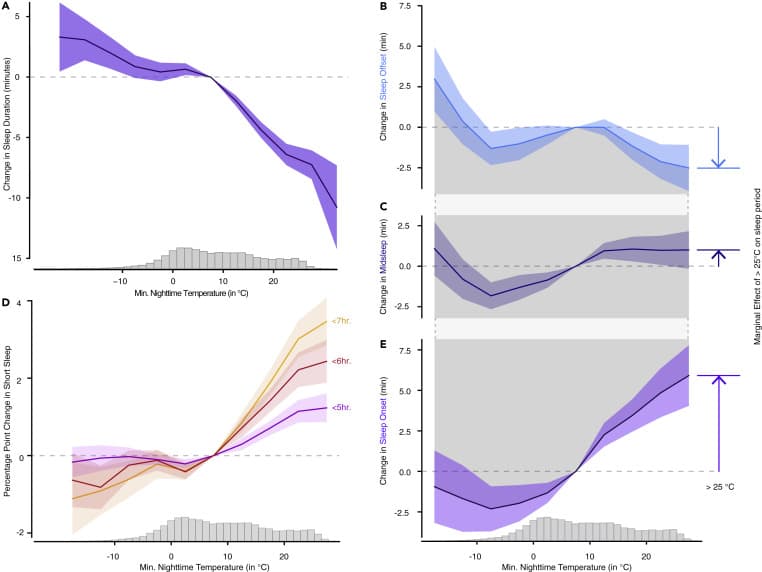
"Historical data shows nighttime warming is a primary driver of global sleep reduction, projecting 50-58 hours of annual sleep loss by 2099."
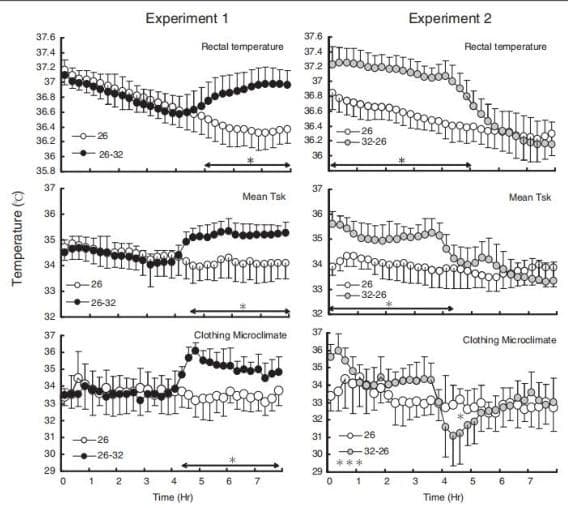
Full Publication"The thermal environment is a key determinant of sleep quality — thermoregulation is strongly linked to the mechanism regulating sleep. Even mild heat exposure increases wakefulness and decreases slow-wave and REM sleep."
Full PublicationPage 1 of 3
They push dry heat at your body all night. You wake up parched with flaky skin — and the heat is either too much, or gone by 3 a.m.
It has to cool the whole room just to reach your bed — noisy, energy-hungry, and one of you is always too cold or too hot.
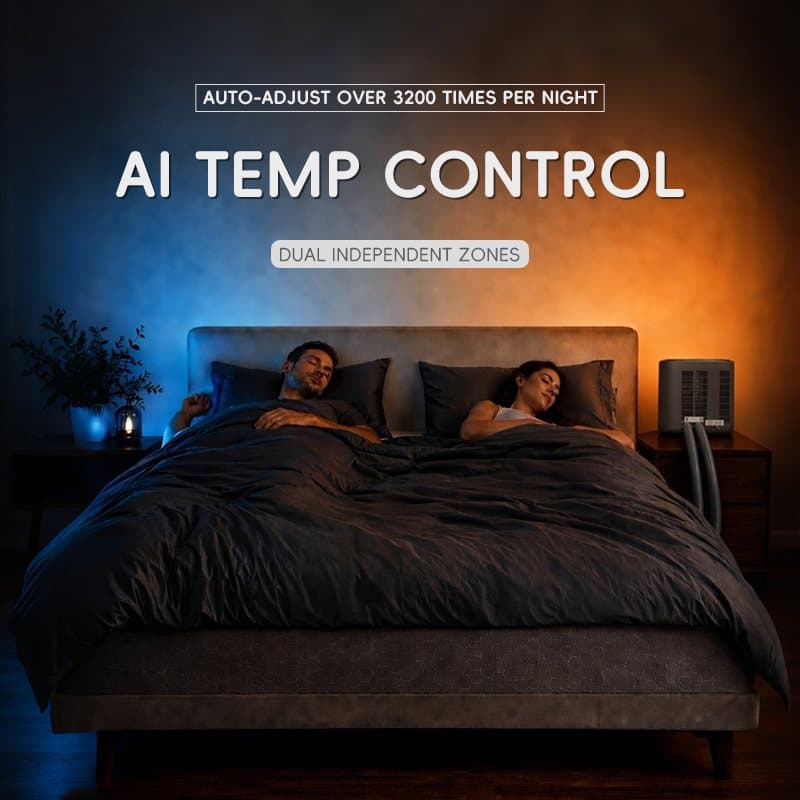
Like the earth warming a lake, water holds temperature. Ours is pumped through medical-grade silicone tubes woven into your mattress cover — a steady 16–40°C surface that never dries the air and never wastes energy on an empty room.
∞ Two independent zones — one side cool, one side warm. No more thermostat arguments.
Published in Nature Human Behaviour (2023, IF 25): bedding microclimate is the single strongest predictor of sleep quality.
Deep sleep (N3) drops by 25-30%. Sleep onset delayed 10-15 min.
Global optimal microclimate for maximum deep sleep & efficiency.
Skin cold receptors activate → frequent awakenings, fragmented sleep.
Total sleep time increase with dynamic temperature control (Healthcare, 2025)
More deep sleep when bedding dynamically shifts 33°C (NREM) → 30°C (REM)
Sleep efficiency improvement across all subjects in controlled trials
Sourced from Nature Communications (2025) — world's largest sleep temperature dataset
| Sleep Stage | Ambient (°C) | Bedding (°C) | Biological Effect |
|---|---|---|---|
| Sleep Onset | 19-22°C | 32.5-34°C | Core temp drops 0.5-1°C. Melatonin secretion triggered. |
| Deep Sleep (N3) | 18-20°C | 32-33°C | Lowest metabolic rate. Peak GH secretion & cellular repair. |
| REM Sleep | 20-22°C | 33-34°C | Memory consolidation. Thermal arousal suppression critical. |
| Pre-Awakening | 20-23°C | 33-34.5°C | Gradual warming. Natural cortisol surge for smooth wake-up. |
Optimal bedding microclimate for male sleepers. Male thermoregulation favors slightly cooler surfaces for heat dissipation.
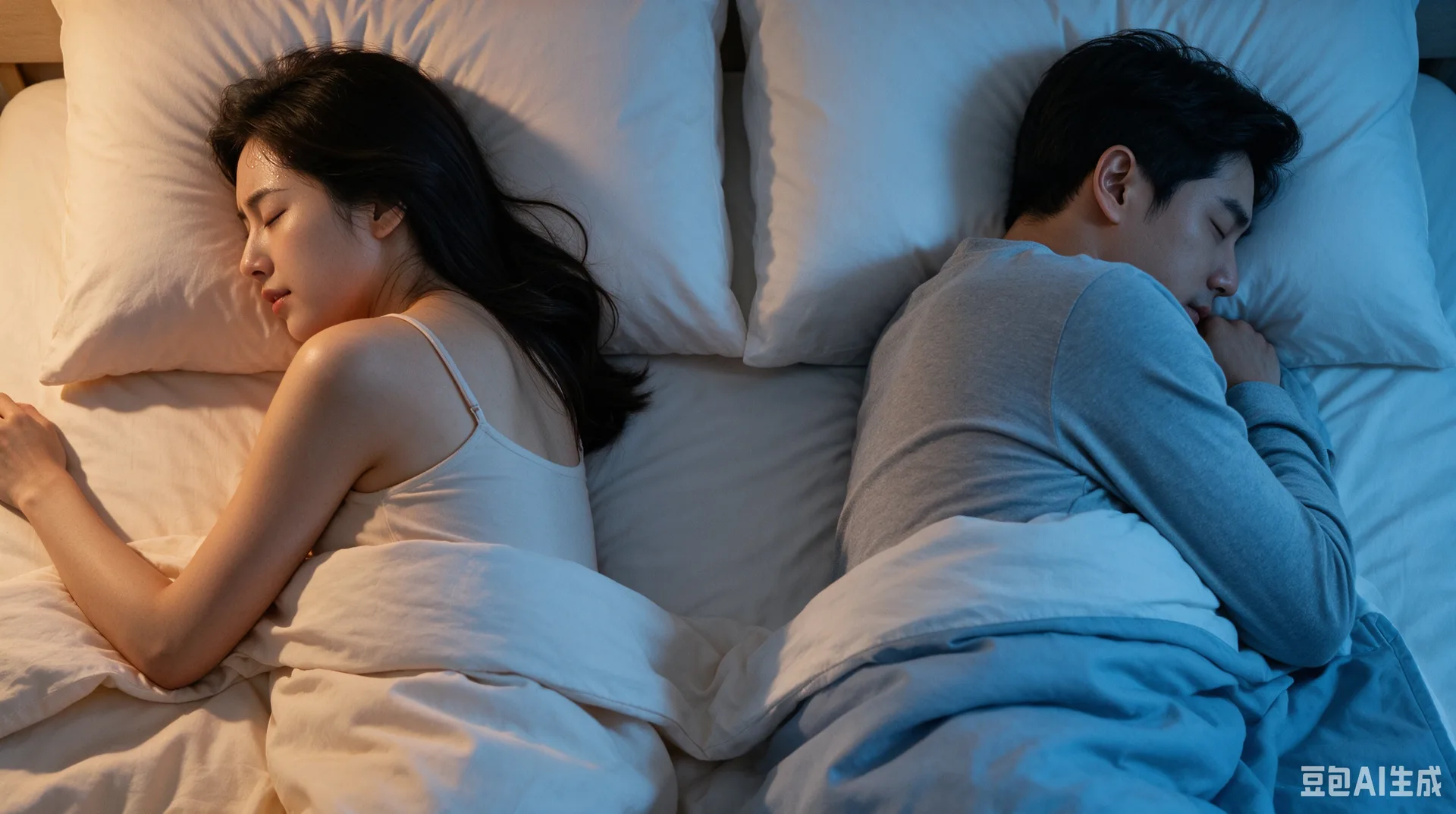
Women require ~2°C higher bedding temperature. Single-zone systems cannot meet both partners' needs — dual-zone is essential.
The three sleep problems we hear about most — and how temperature control actually fixes them.
You wake at 2am hot, drenched and wired. The fix is not a colder room — it is a bed that removes heat steadily. A water-circulating pad cools the surface to 18-22°C while you fall asleep, so your body can drop its core temperature instead of fighting the mattress. Most hot sleepers stop waking up sweaty within the first week.
→ Start at 18-20°C for the first hour, then raise to 22-24°C for the night.
She wants it warm, he wants it cool — and the thermostat war is a nightly argument. Research shows women prefer ambient temperatures 2-3°C warmer than men. A dual-zone pad solves it without compromise: each side keeps its own temperature, 20°C on one side and 33°C on the other, on the same bed.
→ Set each side independently — most couples run 4-6°C apart.
Training breaks down muscle; sleep rebuilds it. Deep sleep is when growth hormone does most of its repair work, and deep sleep depends on your core temperature dropping on time. A steady cool bed at 30-32°C helps athletes fall asleep faster after evening training and stay in deep sleep longer.
→ Cool the bed 20-30 minutes before you get in after a late session.
Tailored protocols for specific physiological requirements.
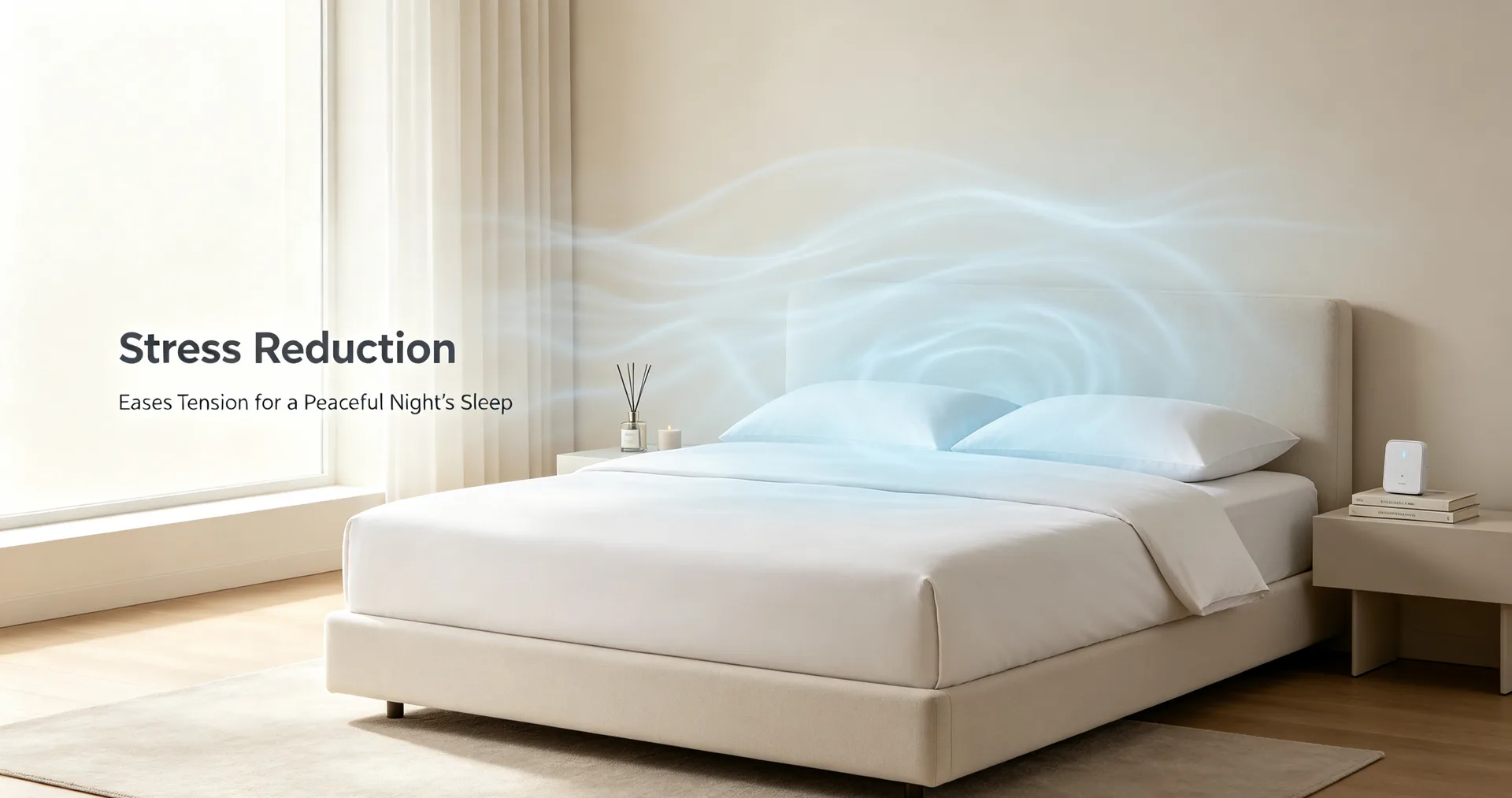
Maintaining a parasympathetic-dominant thermal state suppresses nocturnal cortisol levels, improving cognitive resilience and morning energy.
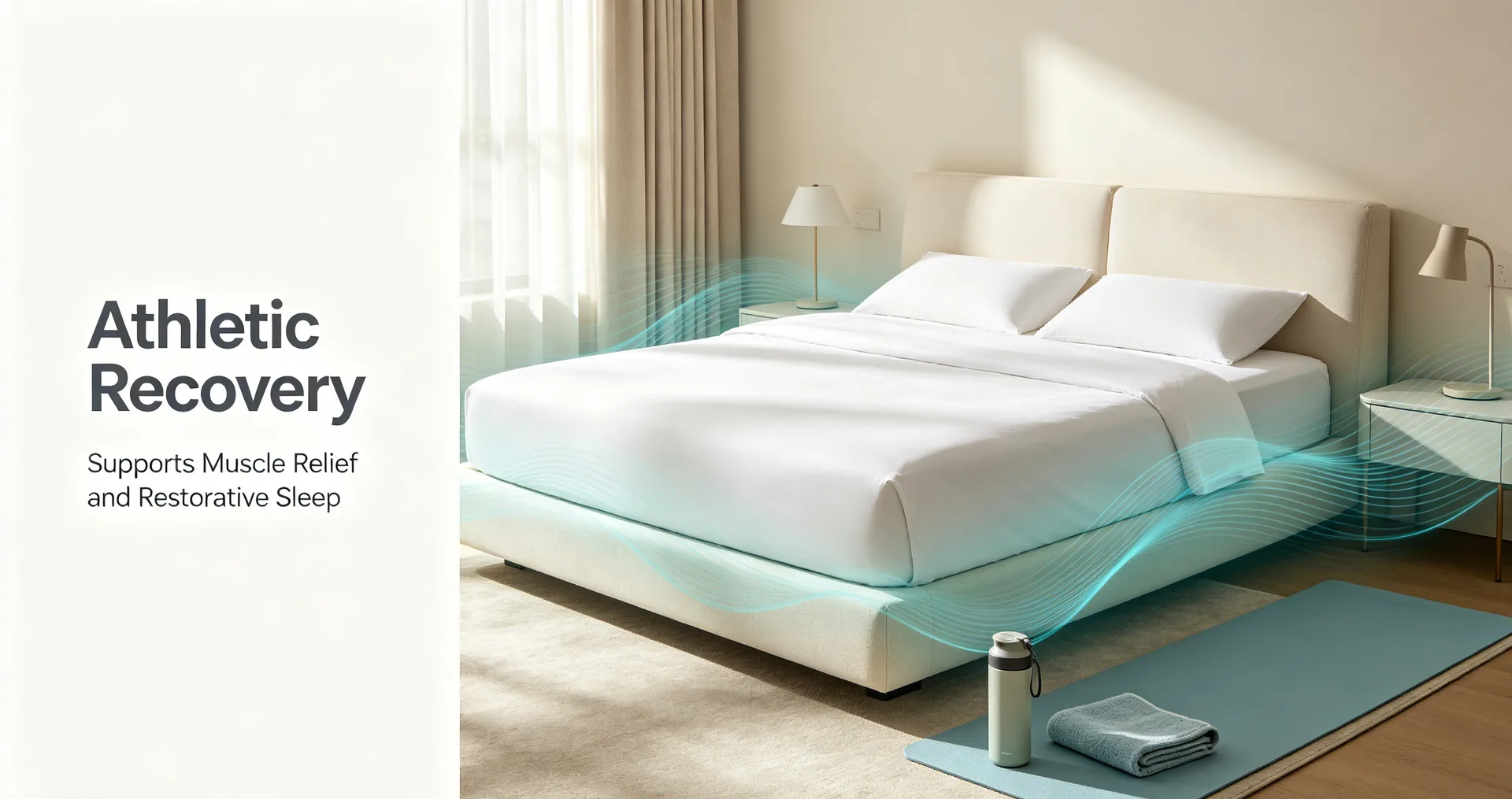
Optimized thermal sleep protocols accelerate muscle recovery, enhance protein synthesis, and reduce inflammatory markers in professional athletes.
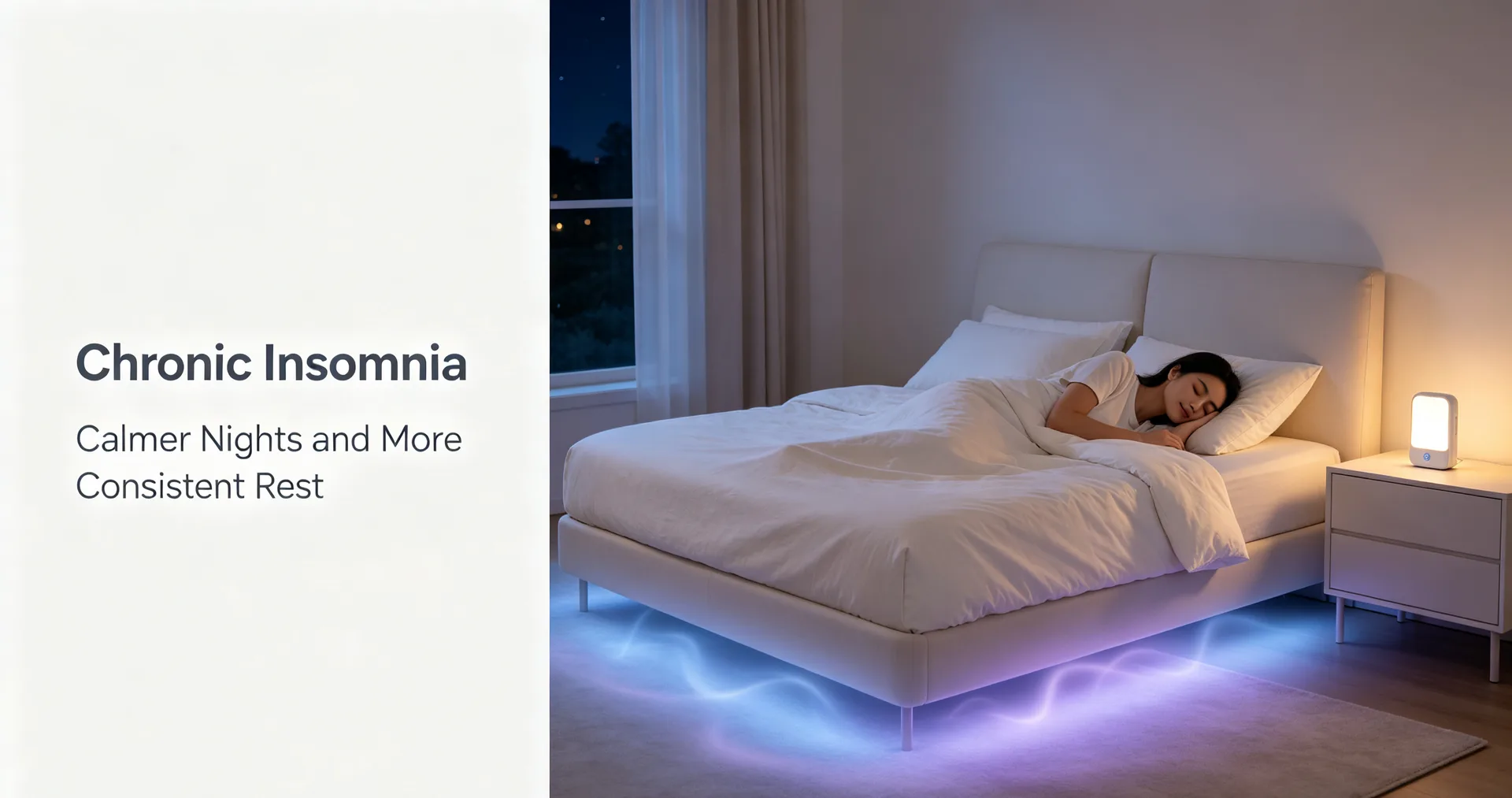
Clinical-grade thermal regulation reduces sleep onset latency and improves sleep maintenance in chronic insomnia patients through circadian alignment.
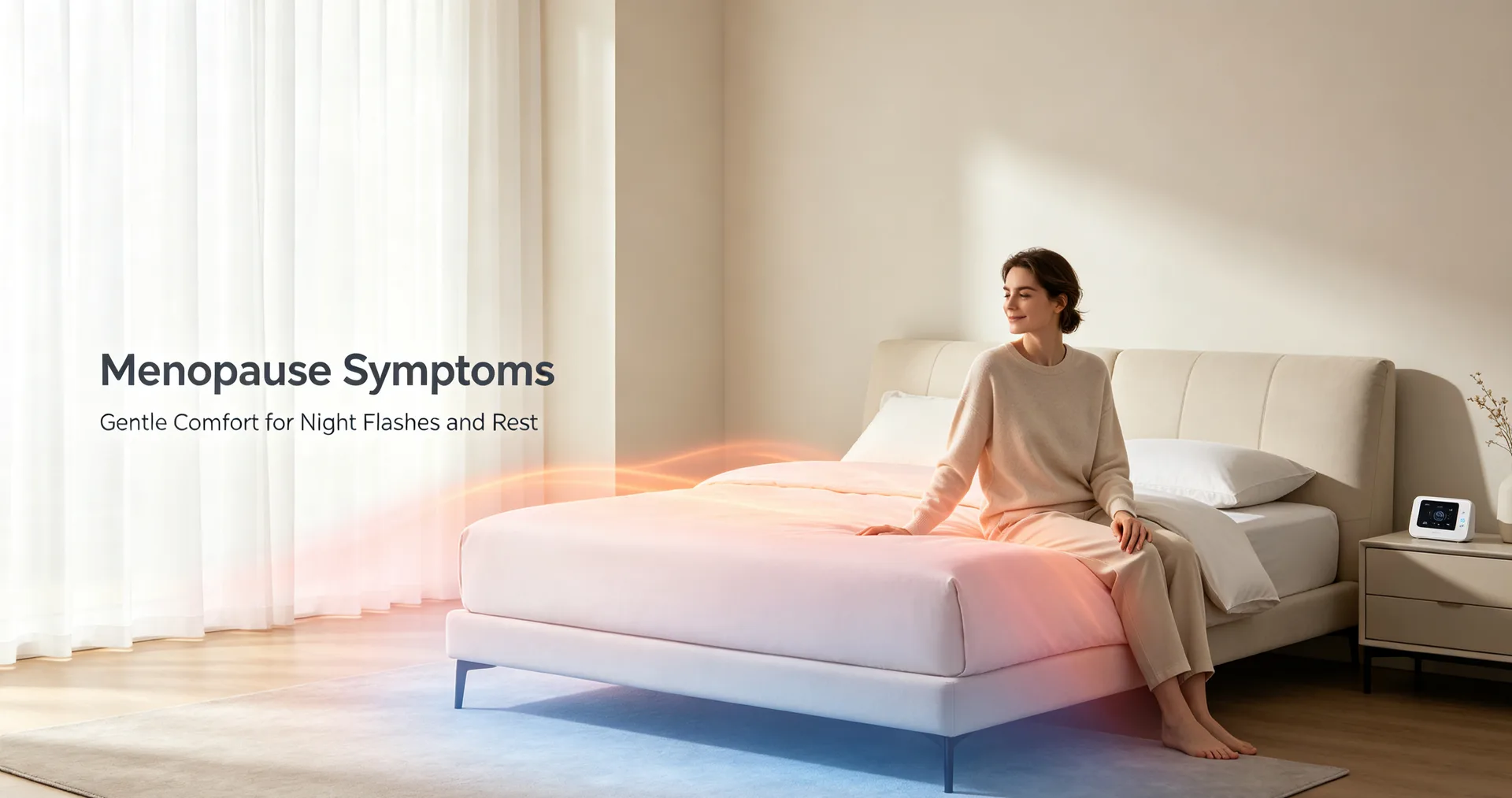
Dynamic cooling systems combat hot flashes and night sweats by stabilizing core temperature fluctuations during perimenopause and menopause.
Join thousands of high-performers using clinical thermal intelligence to redefine their baseline.
Shop NowWelcome everyone's comments
Be the first to share your experience with the ICE SLEEP water-circulating sleep system.